



As user behaviour shifts and social media platforms become powerful search engines in their own right, the boundaries between traditional SEO and social media marketing are fading.
Social SEO, or Social Search, is fast becoming a strategic lever brands can use to increase visibility, engagement, and brand share of voice across both search engines and social media platforms.
To kick off 2026, we have created a guide explaining what social SEO is, why it matters, and why you should be, at the very least, implementing the basics across all your social media channels.
Key Takeaways
- Social SEO optimises social media content for visibility on both social platforms and traditional search engines.
- With 62% of users discovering new brands via social media search, social SEO is crucial for attracting qualified leads and driving revenue.
- Key tactics include keyword integration, strategic hashtag use, alt-text for accessibility, and profile optimisation across platforms.
- Each social platform has unique algorithms and user behaviours, necessitating tailored strategies for effective optimisation.
- Measuring social SEO success involves tracking engagement rates, reach, and conversions, using both native and third-party analytics tools.
- AI and algorithm changes are reshaping social search, making it essential to stay updated and adapt strategies accordingly.
Understanding Search Results on Socials
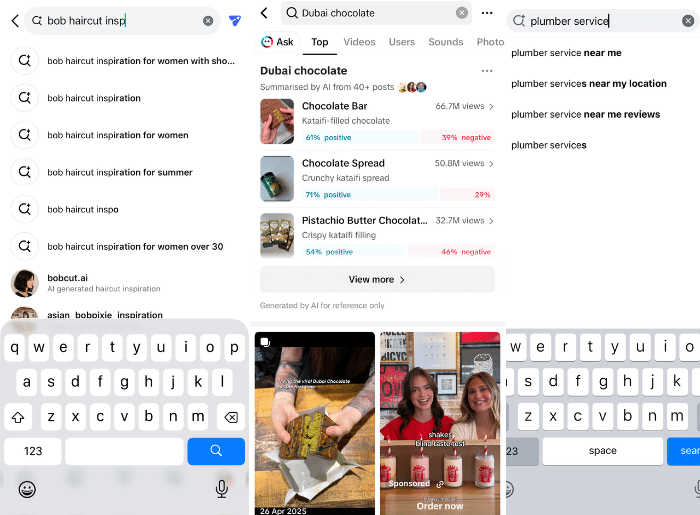
Search results on social media platforms differ from those of traditional search engines like Google, as user interactions and engagement influence them. Users often use the search bar within social media platforms to find content, profiles, and hashtags.
Social search results are personalised and take into account the user’s interests, preferences, and behaviour on the platform. Additionally, social media platforms use their own algorithms to determine which content appears in search results, i.e. what is trending in the cultural sphere.
What is Social SEO and Why It Matters in 2026
Social SEO means optimising your social media content and profiles so they’re easily found both within social platforms and through traditional search engines like Google. Unlike traditional SEO, which focuses on website rankings in search results, social SEO ensures your brand’s social media presence is discoverable by your target audience, wherever they search.
Social SEO has evolved alongside changes in user behaviour and technology. The rise of social search, where users search directly within platforms like TikTok, Instagram, and LinkedIn, has made social media platforms powerful search engines in their own right. Search engines are also indexing more social content, making social SEO a key part of any digital marketing strategy.
So why does this matter more now than ever? Social SEO directly influences your brand’s authority, reach, and conversions. An optimised social presence means your content appears in more search queries, attracts more engagement, and drives more leads and revenue.
The main differences between social SEO and traditional SEO lie in content formats, ranking factors, and user intent, but both aim to increase visibility and drive business growth.
In 2026, brands investing in both traditional and social SEO and partnering with an agency that specialises in this (like Firewire) ensure their brand is visible to their core demographic wherever they search and engage.
The Business Case for Social SEO: Why It’s Essential for Growth-Focused Brands
Data from Hootsuite’s 2025 Social Trends report shows that 62% of users now find new brands via social media search, and posts optimised for search see up to 30% higher engagement rates. For established brands, social SEO is about more than visibility; it’s about attracting qualified leads and generating measurable revenue.
Social SEO also addresses common marketing pain points: low discoverability, fragmented platforms, and the challenge of measuring ROI. Integrating social SEO into your digital marketing strategy helps unify your brand presence, reach new audiences, and track the impact of your efforts across the entire funnel—from awareness to pipeline and ARR (Annual Recurring Revenue).
Core Social SEO Tactics Every Marketer Should Master
Winning at social SEO requires more than keyword stuffing or generic hashtags. Here are the tactics that deliver results in 2026:
1. Keyword Integration for Social Platforms
Identify relevant keywords your audience uses in both traditional search engines and social search bars. Use these naturally in your profiles, bios, captions, and video descriptions, particularly the primary keyword phrase.
2. Using Free Tools for Social Media Optimisation
There is a range of free tools available to help businesses with social media optimisation, including AnswerThePublic and Social Searcher, which can identify trending search queries, support social listening, and provide keyword research.
3. Hashtags: Research, Usage, and Platform Nuances
Research trending and evergreen hashtags for each platform. Use a mix of broad and niche hashtags, and avoid overloading your posts; too many keywords can look spammy and reduce reach. A tool like Brandwatch is useful for hashtag research and for discovering what’s trending among your consumers on their social media platforms.
4. Alt-Text, Captions, and Accessibility
Write descriptive alt-text for images and videos to improve accessibility and searchability. Use clear, keyword-rich captions that add context and value. This not only helps with search but also ensures your content is accessible to all users. For more on image optimisation best practices, check out this guide.
5. Profile and Bio Optimisation
Complete and optimise your social media profiles with primary keywords, location pages, and relevant links. Consistency across platforms helps reinforce your brand and improves search results.
6. Visual Content Optimisation
Use high-quality images, infographics, and videos with optimised file names, alt-text, and text overlays. Video descriptions and transcripts boost discoverability on platforms like YouTube and TikTok.
If you want to learn more about unique content for SEO, check out our resource on the benefits of original content.
Platform-Specific Social SEO Strategies
Each social platform has its own search algorithms, ranking factors, and user behaviours. A one-size-fits-all approach won’t deliver results. Here’s how to optimise for the major players:
YouTube
- Optimise video titles, descriptions, and tags with relevant keywords and natural language.
- Add transcripts and closed captions for accessibility and search.
- Use YouTube SEO tools such as TubeBuddy or VidIQ to track performance.
TikTok
- Write keyword-rich captions and use trending sounds and hashtags.
- Monitor TikTok search trends and adapt content to what’s discoverable in the search bar.
- Use TikTok analytics to identify top-performing content and audience interests.
- Short, punchy videos with transparent text overlays perform best for search.
- Add descriptive alt-text to images and write engaging, keyword-focused captions.
- Use a strategic mix of trending and niche hashtags.
- Optimise your bio with primary keywords and a clear value proposition.
- Optimise company pages and personal profiles with industry keywords and detailed descriptions.
- Long-form articles, native video, and carousel posts tend to rank higher in LinkedIn search.
- B2B brands should focus on thought leadership, while B2C can leverage employee advocacy and brand storytelling.
- Use relevant keywords in pin titles, descriptions, and board names.
- Leverage Pinterest Trends and analytics to identify what’s popular in your niche.
- Complete all profile fields, use keyword-rich descriptions, and claim your location page.
- Use clear headlines, relevant hashtags, and engaging visuals in posts.
- Participate in or create Facebook Groups to boost local search visibility.
- Facebook SEO can be enhanced with targeted paid ads to boost high-performing organic posts.
X (formerly Twitter)
- Use keywords in your bio and handle.
- Join trending conversations and use relevant hashtags for real-time discoverability.
- Monitor Twitter Trends and participate in timely discussions to increase reach.
Integrating Social SEO with Your Broader Digital Strategy
Social SEO is a core part of your digital marketing strategy. Align your SEO and social media teams to plan cross-channel keyword strategies, share content calendars, and use data-driven insights. If you manage all your marketing efforts solo, aim to launch integrated campaigns that combine organic search, social content, and paid ads to deliver the strongest results through a 360-degree approach.
Regular collaboration between SEO, content, and social teams ensures consistent messaging, maximises content visibility, breaks down silos between channels and drives measurable business impact.
Increasing Visibility and Reach
Using relevant keywords, creating engaging content, and optimising social media posts can help businesses improve their search results and drive more traffic to their website. Public social media posts are indexed by Google more rapidly, allowing social content to appear on Search Engine Results Pages.
A social search engine can monitor mentions and trends across social networks, providing valuable insights for content strategy. Optimising vertical videos on TikTok and Instagram with relevant keywords is especially effective for reaching Gen Z and improving discoverability on the For You Page.
Measuring ROI
Apply attribution models to connect social SEO efforts to pipeline and ARR. Use reporting frameworks that highlight both leading (engagement, reach) and lagging (conversions, revenue) indicators.
Key Performance Indicators (KPIs) to track and report on include:
- Engagement rate
- Reach
- Share of voice
- Keyword rankings (in both search engines and social platforms)
- Conversions from social media posts
If you want to benchmark your progress, our SEO benchmarking guide covers key metrics and best practices for measuring SEO performance.
Ready to optimise your social channels in 2026?
Social SEO is essential for brands aiming to be market leaders in their industry. Optimising your social media channels for search increases brand visibility, gives you a larger share of voice, drives more engagement, and turns social traffic into real revenue.
The landscape is evolving quickly; keep learning, stay across new trends that are relevant to your brand, and if you still need help creating a measurable strategy for this year, talk to us! Book a free discovery call and learn how to turn your search traffic into revenue.